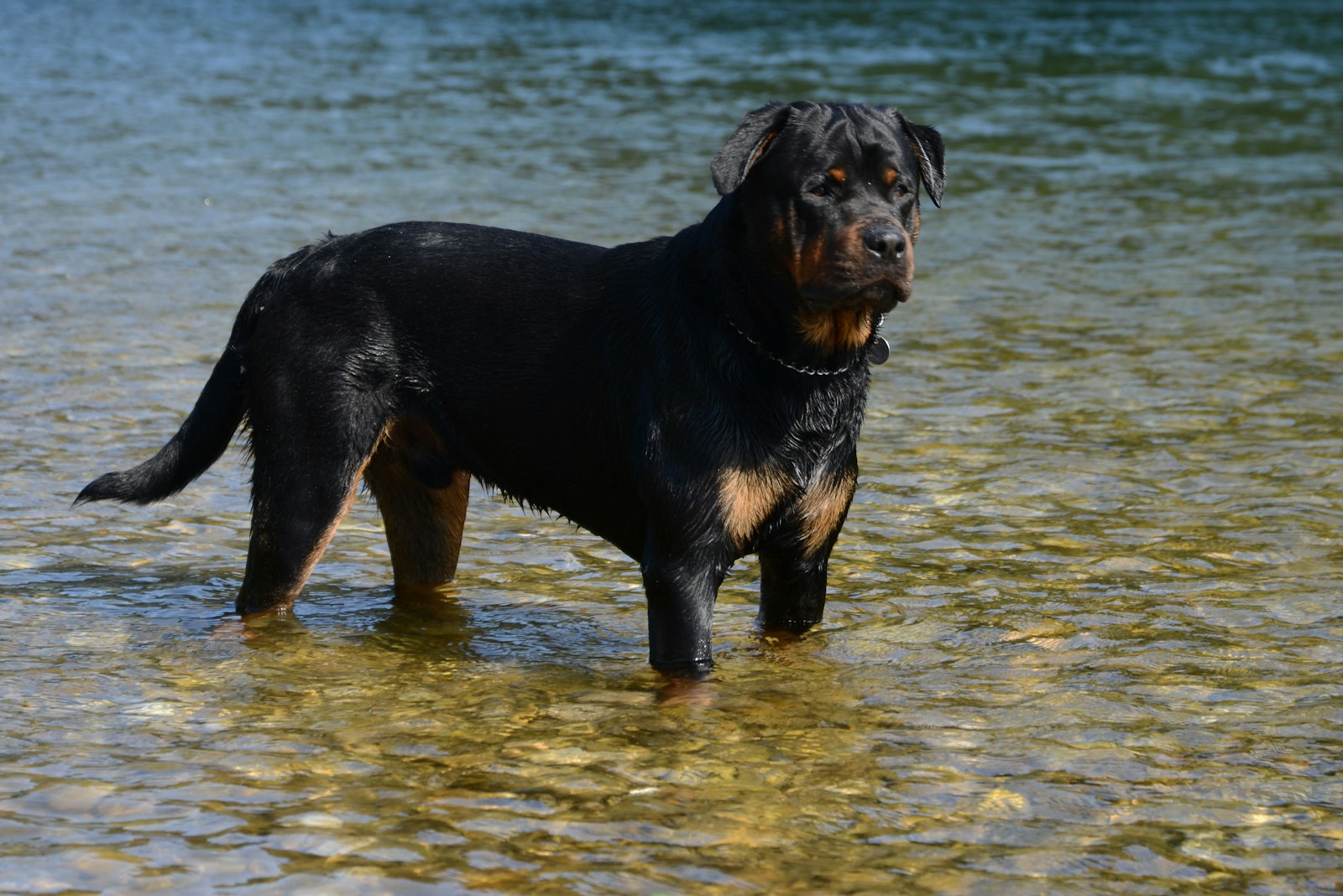
Rottweilers are strong, intelligent, and deeply loyal dogs. In the right home, they can be calm, affectionate, and steady companions. But they are not a breed that thrives on guesswork or inconsistent routines. Most Rottweilers do best with thoughtful training, realistic exercise, and regular veterinary care that looks at both long-term health risks and everyday comfort.
That is why it helps to have a trusted vet clinic in Gilroy before anything feels urgent. For a breed like the Rottweiler, routine care goes beyond vaccines and the occasional sick visit. It also includes tracking growth, weight, joint health, skin and ear issues, and the early signs of conditions that large-breed dogs can be more prone to over time.
If you already have a Rottweiler, or you are considering one, the goal is not to make the breed sound intimidating. It is to understand what responsible ownership really involves, and how good veterinary care supports that from puppyhood through the senior years.
Rottweilers need structure, not autopilot care
One of the most common misunderstandings about Rottweilers is that their short coat and confident look make them easy dogs by default. In reality, most need more structure than casual owners expect.
Rottweilers are often observant, powerful, and quick to pick up patterns. Those traits can be a real strength when training is consistent and fair. They can also become difficult to manage if a dog is under-socialized, poorly guided, or allowed to practice pushy behavior over time. This is not a breed that needs harsh handling, but it does need clear expectations, early guidance, and owners who take training seriously.
That matters in daily life. A large dog that pulls hard on leash, reacts badly to visitors, or struggles around other dogs is much harder to live with than a smaller pet with the same habits. With Rottweilers, early work usually makes a big difference.
Temperament depends on breeding, socialization, and handling
Rottweilers are often described in extremes, and that usually does not help owners make good decisions. They are not automatically dangerous, and they are not automatically easy family dogs either. Like any breed, they are individuals. Still, Rottweilers do tend to be confident, protective, and physically capable, which means responsible ownership matters.
Early socialization is part of that picture. Good socialization is not about overwhelming a puppy with constant stimulation or forcing interactions. It is about helping the dog move through the world calmly and confidently. That can include exposure to different people, sounds, surfaces, handling routines, traffic, and new environments in a controlled, positive way.
Owners also need to be honest about fit. Many Rottweilers are affectionate with their families and can do very well with children when training and supervision are taken seriously. But they are usually not the best match for someone looking for a low-effort, easygoing dog with minimal management needs.
Training should start early and stay consistent
Rottweilers usually respond well to calm, reward-based training with clear boundaries. They are smart enough to learn quickly, but that does not mean they will always make easy choices on their own. In inconsistent households, they can test limits or become stubborn about routines.
The basics matter. Loose-leash walking, polite greetings, recall, impulse control, and handling tolerance all make life easier and safer. These are not just nice extras. They matter at home, on neighborhood walks, during car trips, and in the exam room.
For families in Gilroy, that may mean making sure a dog can stay responsive during warm-weather walks, outdoor routines, and everyday outings. A big, muscular dog that can settle and listen in ordinary situations is much easier to live with than one that is physically strong but hard to direct.
Training also makes veterinary care easier. A Rottweiler that can tolerate nail trims, mouth checks, ear handling, weighing, and basic restraint is easier to examine and treat when something is wrong.
Exercise is important, but weight control matters just as much
Rottweilers need regular activity, but more exercise is not always the full answer. Most do best with a balance of physical movement, mental engagement, and recovery time. Some owners focus only on wearing the dog out while overlooking body condition and joint protection.
That can be a problem in a large breed. Extra weight puts more stress on joints, reduces stamina, worsens mobility over time, and can complicate recovery after injury or surgery. A Rottweiler that looks broad and powerful may still be carrying more body fat than is healthy.
A vet clinic can help owners assess body condition more accurately than appearance alone. That may include tracking weight trends, reviewing food amounts, adjusting routines as activity changes, and recognizing when a dog is shifting from muscular to overweight. For a breed with known orthopedic risks, staying lean is one of the most practical long-term advantages an owner can offer.
Joint and mobility problems deserve early attention
Rottweilers are one of the breeds owners should think about proactively when it comes to orthopedic health. Hip dysplasia, elbow dysplasia, cruciate ligament injuries, arthritis, and general large-breed joint wear are all worth paying attention to.
That does not mean every Rottweiler will develop serious mobility problems. It does mean subtle changes should not be brushed off. Trouble rising, stiffness after rest, bunny hopping, reluctance to jump into the car, shortened walks, or changes in gait can all be early signs that something needs attention.
Puppy growth matters too. Overfeeding, poor weight control, and too much impact during growth can make life harder on developing joints. Later on, the focus often shifts to protecting comfort, maintaining muscle, and managing inflammation.
For active dogs in Gilroy, early mobility issues may show up as less enthusiasm for walks or less interest in outdoor routines. Those quieter changes are worth discussing with a veterinarian before they become more obvious.
Routine exams can help catch cancer concerns earlier
Rottweilers are also a breed veterinarians often monitor more closely for certain cancers, including bone cancer and other serious cancers that may appear in middle age or later. That does not mean cancer is unavoidable, but it does mean owners should take persistent limping, new lumps, unexplained weight loss, appetite changes, or a noticeable drop in energy seriously.
One challenge is that some cancers can look like ordinary soreness or normal aging at first. Large dogs can also be stoic, which makes early changes easier to miss. Regular exams help because they give your veterinarian a clearer sense of your dog’s normal weight, movement, appetite, and overall health.
When a clinic already knows a dog’s baseline, it is easier to spot what has changed and decide what should be investigated sooner rather than later.
Everyday vet care should be steady, not crisis-driven
The most helpful veterinary care for Rottweilers is usually consistent rather than reactive. That includes wellness exams, vaccine planning, parasite prevention, dental care, skin and ear checks, and routine conversations about nutrition, mobility, and age-related screening.
Dental disease is easy to underestimate in large dogs, especially when they still eat normally. But tartar buildup, gum inflammation, bad breath, and hidden oral pain can still affect quality of life. Skin irritation, ear issues, stomach upset, and allergy-related problems can also show up in Rottweilers just as they do in many other breeds.
Owners should contact a vet sooner rather than later if a Rottweiler develops:
- limping or stiffness that does not improve
- reluctance to rise, jump, or climb
- a new lump or swelling
- persistent vomiting or diarrhea
- repeated ear shaking or scratching
- major appetite or weight changes
- unusual fatigue or reduced stamina
- behavior that seems noticeably off for that dog
Not every symptom points to a serious problem, but waiting too long can make some issues harder to treat.
Rottweilers can be great dogs in the right homes
Rottweilers can be excellent companions for people who truly want the breed they are getting, not just the look of it. They usually do best with owners who value training, routine, boundaries, and preventive care. They are less suited to homes that want a casual, low-input dog that will simply sort itself out.
For Gilroy families considering a Rottweiler, that honesty matters. The right match can be deeply rewarding. The wrong match can create stress for both the dog and the household.
A good vet clinic in Gilroy can support that relationship over time by helping owners stay proactive about growth, weight, joints, cancer awareness, and the everyday health issues that affect comfort and quality of life. With Rottweilers, the best outcomes usually come from steady management, not last-minute scrambling.
This is a breed that does not need fear or stereotype. It needs respect, responsible ownership, and a practical care plan. When those pieces are in place, Rottweilers can be loyal, capable, and deeply connected dogs.