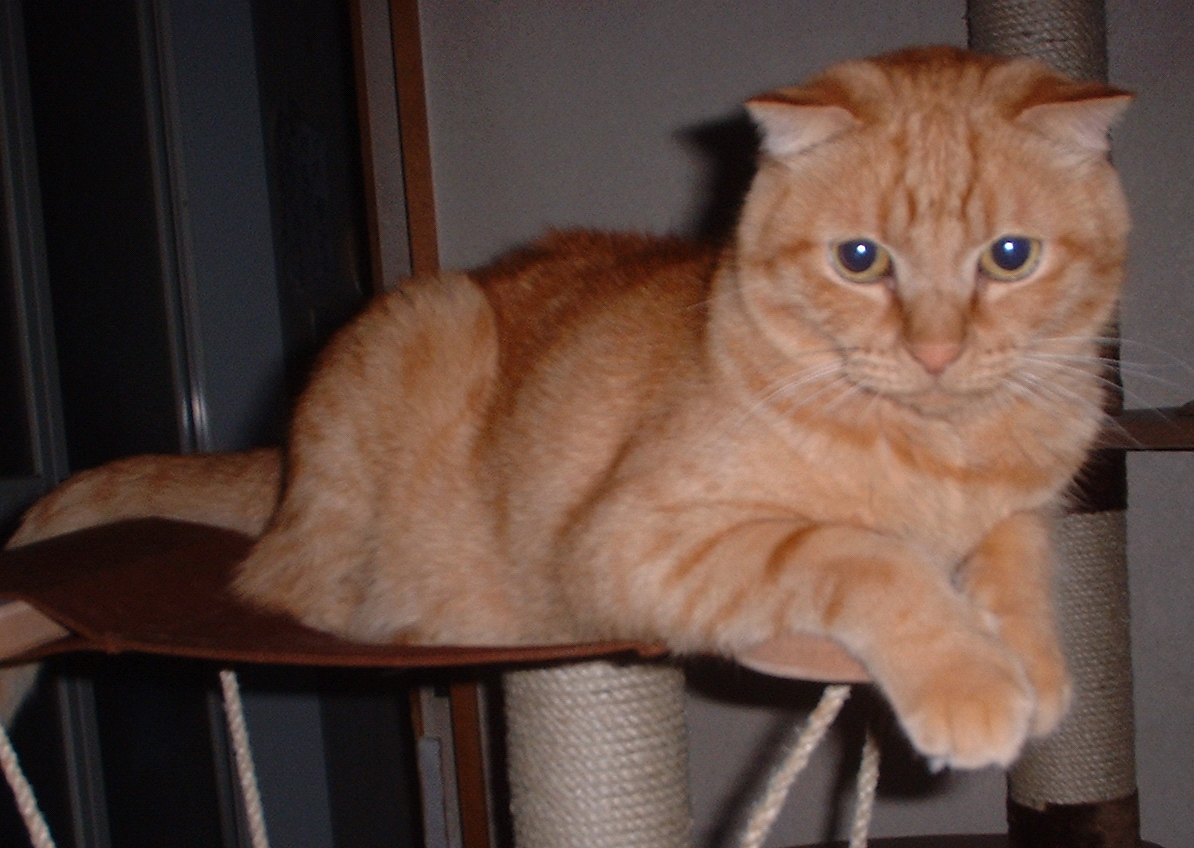
Scottish Fold cats are easy to recognize. Their folded ears and round expression give them a distinctive look, and many owners also love their calm, affectionate nature. But this breed comes with an important health reality that should not be treated as a minor detail.
The same genetic mutation linked to the folded ears can also affect cartilage and bone development elsewhere in the body. That means some Scottish Folds are at risk for painful joint and mobility problems over time. If you already have one, or you are thinking about adopting one, it helps to understand the breed beyond appearance and to have a trusted veterinary relationship in place.
Why Scottish Fold cats appeal to so many people
Many Scottish Folds are described as sweet, quiet, and easy to live with. They often enjoy being near their people without being overly demanding. Some are playful and interactive, while others are more relaxed and content to stay close by.
That temperament can make them appealing in households that want a companionable indoor cat. Still, the breed's appearance often gets more attention than the health concerns attached to it. For Scottish Folds, that is a serious oversight.
The folded ears are linked to a broader health issue
Scottish Folds have folded ears because of a genetic change that affects cartilage. The problem is that cartilage is not limited to the ears. It is part of how joints and other structures function throughout the body.
This breed is associated with osteochondrodysplasia, a disorder that can affect bone and cartilage development. In practical terms, some cats may develop stiffness, pain, reduced mobility, or changes in the tail and limbs. Signs may appear when the cat is young, or they may become more obvious later.
Severity varies. Some Scottish Folds seem only mildly affected at first. Others develop clear discomfort, a stiff gait, hesitation before jumping, or a tail that feels thick or inflexible. Because cats often hide pain well, these changes can be easy to miss in the beginning.
Why the breed raises welfare concerns
Scottish Folds are one of the clearest examples of a breed whose signature look is tied to a medical problem. That is why they remain controversial among many veterinarians and animal welfare advocates.
The concern is straightforward. The folded-ear trait is not just cosmetic. It is connected to a mutation that may also cause chronic orthopedic disease and pain. For that reason, many professionals urge prospective owners to think carefully before choosing this breed, especially if the decision is mostly based on looks.
If you already share your home with a Scottish Fold, the most useful response is not guilt. It is informed, practical care, with attention to comfort, mobility, weight, and regular veterinary follow-up.
What daily life with a Scottish Fold may look like
Temperament varies from cat to cat, but many Scottish Folds do best in calm indoor homes with predictable routines. They may enjoy toys, short play sessions, and time with family, but they are not always highly active cats.
That quiet nature can be part of their personality, but owners should be careful not to assume every low-energy behavior is normal for the breed. Less jumping, reduced interest in play, or more time spent resting can sometimes reflect pain rather than simple mellowness.
In Gilroy, where warm weather can make some homes less comfortable during parts of the year, keeping the indoor environment cool and easy to navigate can help any cat. For a Scottish Fold with developing mobility issues, that matters even more.
Physical changes owners should watch for
The ears may be the most obvious feature, but they should not be the main focus once you are thinking about the cat's long-term health. Day-to-day function matters much more.
Owners should pay attention to signs such as:
- stiffness after resting
- hesitation before jumping onto furniture
- reluctance to use stairs
- a short, thick, or sensitive tail
- changes in posture or walking style
- less interest in play
- irritability when touched around the legs, hips, or tail
None of these signs proves a specific diagnosis on its own, but they do justify a veterinary conversation. With Scottish Folds, it is better to ask early than to wait until the problem is obvious.
Everyday care matters, especially weight and home setup
Scottish Folds still need the same basics every cat needs: good nutrition, litter box monitoring, nail trims, enrichment, preventive care, and regular veterinary visits. But a few routine care decisions can make an especially big difference for this breed.
Weight control is one of them. Even a modest amount of extra weight can put more stress on uncomfortable joints and make movement harder. Keeping the cat lean is one of the most practical ways to support comfort.
Home layout also matters. Some Scottish Folds do better when they can reach favorite resting spots without repeated high jumps. Low steps, ramps, or well-placed furniture can help a cat stay comfortable without making the home feel clinical.
If your cat has a longer coat, regular brushing is helpful too. Grooming is a simple way to monitor body condition, notice tenderness, and spot changes that might otherwise be easy to miss.
Other health issues Scottish Folds can face
The breed-linked orthopedic issue is the biggest concern, but it is not the only one. Like other cats, Scottish Folds can also develop dental disease, obesity, urinary problems, and age-related health changes.
Still, the most important breed-specific question is often whether the cat is moving comfortably. A naturally quiet cat and a painful cat can look similar at first glance. That is one reason regular exams matter so much with this breed.
Why an established vet relationship helps
Scottish Folds benefit from having a baseline on record. That includes weight, body condition, gait, tail flexibility, joint comfort, and general activity level. Once that baseline exists, it becomes much easier to notice when something changes.
A local vet clinic in Gilroy can help owners sort through questions that are easy to second-guess at home. Is the cat just aging, or is mobility getting worse? Is lower activity a personality trait, or a sign of discomfort? Is follow-up imaging worth discussing? Those are exactly the kinds of questions that are easier to answer when your cat has already been examined over time.
This matters because cats often hide pain until it has been present for a while. Waiting for dramatic signs is rarely the best strategy.
Is a Scottish Fold a good choice?
For many people, probably not, especially if the main attraction is the folded ears. Scottish Folds can be affectionate, appealing companions, but they are not a breed to choose casually. Their defining look comes with real welfare concerns.
For people who already have one, the best approach is practical and compassionate: keep the cat at a healthy weight, make movement easier at home, watch for subtle changes, and stay consistent with veterinary care. If you are still deciding whether to bring one home, it is worth looking past the appearance and asking whether you are prepared for the breed's medical and ethical realities.